
Expand Your Home the Smart, Tool‑Free Way
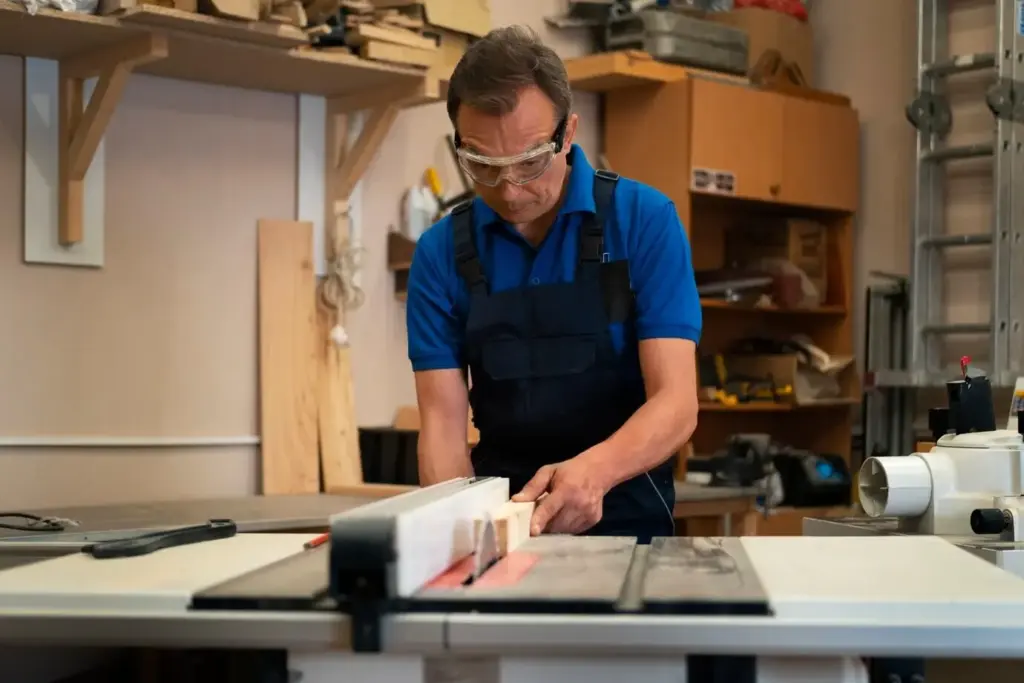
How the Click‑Lock System Creates Rock‑Solid Rooms
Precision‑Engineered Panels
Pre-insulated wall, roof, and floor modules arrive labeled and ready to connect, built to millimeter-level tolerances so edges align without wrestling. Integrated splines and tongues orient pieces automatically, while reinforced frames prevent racking during handling. The result is faster assembly, fewer surprises on site, and a professional finish that rewards careful planning with snap-together ease and repeatable quality.
Structural Confidence Without Guesswork
Load-tested connectors distribute forces across the frame, transforming quick clicks into dependable structure. Hidden stiffeners, continuous top rails, and corner brackets lock panels into a rigid box strong enough for wind, snow, and day-to-day living. Clear span charts and manufacturer support remove uncertainty, turning what looks like a weekend project into a durable addition that feels as solid as the main house.
Sealed Against Weather and Sound
Compression gaskets and overlapping profiles create a continuous barrier against drafts, rain, and noise. As panels lock, they simultaneously seat seals for airtightness and acoustic comfort. Thermal breaks reduce condensation risk, while integrated flashing details shed water away from seams. Comfort isn’t an afterthought; it’s built into every connection, so the space feels quiet, dry, and stable through changing seasons.
Plan Smarter: Site, Codes, and Utilities
Measure Once, Model Twice
Create a scaled plan showing existing walls, windows, doors, and grade changes. Use cardboard cutouts or simple 3D models to verify furniture fit, circulation, and light. Check swing clearances and desk or bed placements before committing. A few hours with a tape measure and layout drawings save days of rework, ensuring your extension feels intentional, balanced, and perfectly sized for daily routines.
Permits and Approvals Made Simpler
Collect manufacturer documentation, load ratings, and fire details early, then confirm whether your municipality treats these rooms like conventional additions or modular installations. Ask about foundation requirements and egress rules. Many jurisdictions appreciate pre-engineered clarity, speeding approvals. A short pre-submittal meeting can remove confusion, align expectations, and keep your schedule intact so the delivery truck arrives right on time.
Power, Water, and Data Without the Tangle
Plan pathways for electricity, heating or cooling, and internet before placing the first panel. Prefabricated chases and baseboard routes simplify routing, while surface-mount raceways preserve flexibility. Coordinate with a licensed electrician or plumber as required, and leave generous access panels. Smart utility planning prevents awkward cords, future wall cuts, or noisy equipment, keeping the new room clean, quiet, and ready for modern living.

A Sun‑Kissed Work Haven

Studio for Making, Messing, and Mastery

Weekend‑Friendly Installation Windows

Transparent Pricing and Fewer Surprises
Materials, Comfort, and Sustainability

A Family’s Calm Corner for Homework and Hobbies
In a compact suburban lot, a couple added a twelve-by-twelve module for reading, homework, and music practice. The kids love the pinboard wall and soft rug; parents love the sliding door that tucks noise away. Installation wrapped before Monday, and the dining table finally lost its piles of art supplies, textbooks, and tangled charging cables forever.
From Kitchen Table to Thriving Consultancy
A solo strategist replaced coffee-shop calls with a serene backyard office. With east-facing windows and acoustic panels, clients noticed clearer sound immediately. The owner credits the short commute and purposeful setup with landing bigger projects. The budget stayed on track, and the rapid setup avoided awkward months of dust, allowing work to continue without missing a beat.
A Seasonal Cabin That Grew with Care
A lakeside retreat gained a small sleeping module and gear room, installed between spring rains. Click-lock assembly minimized disturbance to the delicate site, and pre-finished interiors kept maintenance low. Now relatives visit more often, wet boots have a home, and mornings start with quiet coffee instead of couch negotiations over blankets and elbow room.
Your Turn: Build with Confidence and Share
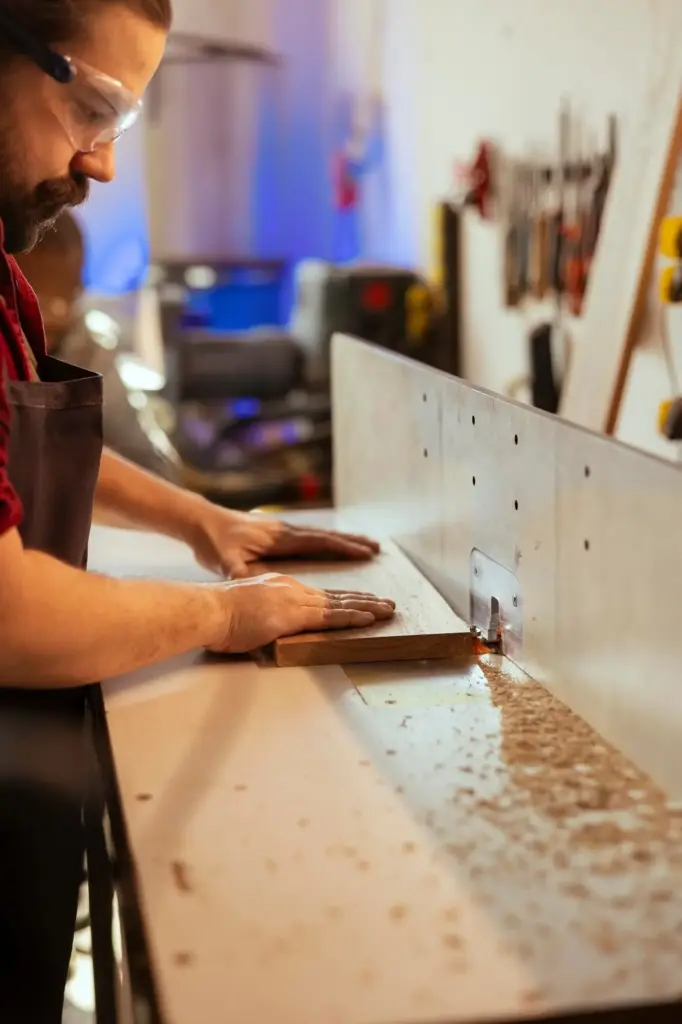
Preparation Checklist That Actually Helps

Join the Conversation and Learn Faster
