
Cook Better, Live Easier: Designing Kitchens That Truly Work

Today we’re diving into kitchens, exploring how layout, storage, materials, lighting, and appliances cooperate to support real cooking, conversation, and daily rituals. Expect practical checklists, small but powerful upgrades, and stories from remodels that rescued weeknights. Share your own wins or challenges in the comments so we can learn from each other and make tomorrow’s meals smoother, tastier, and calmer for every home cook navigating busy schedules and bold flavors.

Flow First: Layouts That Make Every Step Count
Modern Work Triangle, Evolved into Flexible Zones

The classic refrigerator–sink–range triangle still helps, but modern cooking benefits from flexible zones that cluster tasks logically. Think prep, cooking, cleanup, baking, and beverage stations. Separate them just enough so helpers can operate without cross-traffic. Add landing areas beside appliances to catch hot pans and heavy groceries, and consider a dedicated coffee corner that keeps morning lines away from busy prep counters when lunches and breakfasts overlap.

Aisles, Door Swings, and Island Reality Checks

The classic refrigerator–sink–range triangle still helps, but modern cooking benefits from flexible zones that cluster tasks logically. Think prep, cooking, cleanup, baking, and beverage stations. Separate them just enough so helpers can operate without cross-traffic. Add landing areas beside appliances to catch hot pans and heavy groceries, and consider a dedicated coffee corner that keeps morning lines away from busy prep counters when lunches and breakfasts overlap.

From Quick Breakfasts to Weekend Bake-Offs

The classic refrigerator–sink–range triangle still helps, but modern cooking benefits from flexible zones that cluster tasks logically. Think prep, cooking, cleanup, baking, and beverage stations. Separate them just enough so helpers can operate without cross-traffic. Add landing areas beside appliances to catch hot pans and heavy groceries, and consider a dedicated coffee corner that keeps morning lines away from busy prep counters when lunches and breakfasts overlap.

Drawers Over Doors for Everyday Efficiency

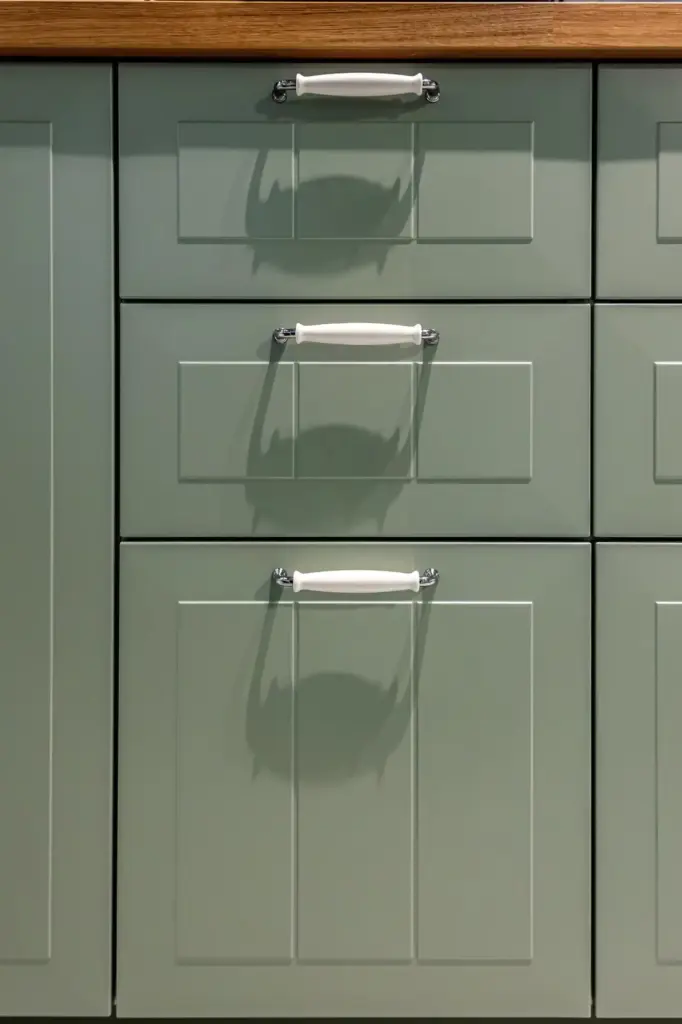
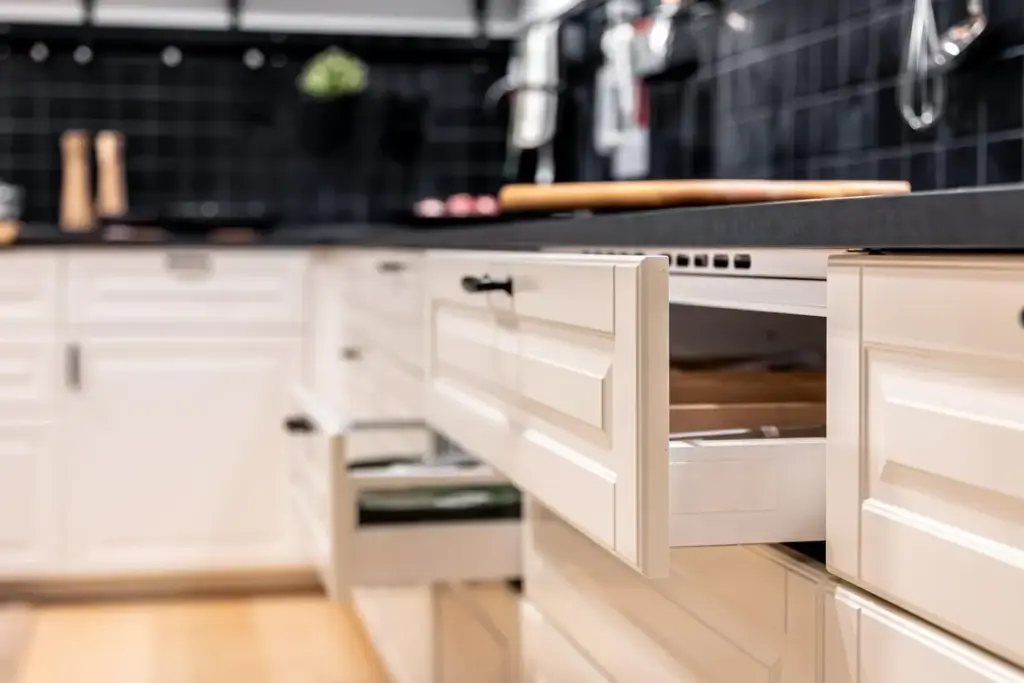
Full-extension drawers bring everything into view, ending the crouch-and-dig routine behind deep cabinet doors. Fit dividers for pans, lids, and utensils so tools stay sorted after hectic dishwasher unloads. Use soft-close slides strong enough for cast iron. Consider a dedicated drawer for prep bowls and measuring tools near cutting boards. When the right item appears at eye level with one pull, you shave minutes off every recipe, without thinking or searching.

Pantry Strategies That Actually Stick

Great pantries are systems, not closets. Combine adjustable shelves for bulk items with shallow zones for cans, spices, and baking ingredients. Transparent bins tame packets and snacks while labels prevent mystery bags. Store heavier items around waist height to reduce strain. Practice first-in, first-out rotation during grocery restocking. A small step-stool, mounted scoop, and a shared shopping list complete the setup, creating a tidy, reliable hub that supports smarter buying and cooking.

Small Kitchen, Big Order

In compact spaces, vertical and corner solutions matter. Add slim pull-outs for oils and condiments beside the range. Use toe-kick drawers for baking sheets, cutting boards, or placemats. A magnetic strip frees counter space by hosting knives safely. Inside cabinet doors, mount shallow racks for wraps and lids. Keep everyday plates within one step of the dishwasher to speed unloading, and place a compost bin under the prep zone for effortless cleanup.

Materials and Surfaces That Work as Hard as You Do

Counters, tile, and finishes face heat, splashes, and constant wiping. Choose surfaces that balance beauty with durability and maintenance you’ll realistically perform. Compare quartz, granite, butcher block, and porcelain options with eyes open to stains, seams, and sealing needs. Explore backsplash heights that actually block sauce, and grout choices that resist discoloration. Well-chosen materials age gracefully, resisting fads while telling your cooking story through subtle textures, practical edges, and thoughtfully protected corners.

Light the Way: Layers, Color Temperature, and Control

Place under-cabinet lights toward the front of the cabinet bottom to push illumination across the full counter. Choose continuous, high-quality LED strips with good color rendering so herbs look green and meats appear accurate. Diffusers reduce hotspots, while dimmers fine-tune brightness for late-night snacks. Avoid only relying on overhead cans that cast your own silhouette across the cutting board, because safe slicing and detailed decorating depend on deliberate, shadow-free, evenly distributed task light.
Layered scenes free you from constant fiddling. One tap can shift from prep brightness to cozy dining, then to soft cleanup. Consider motion sensors in pantries and toe-kick lights for midnight water runs. Smart dimmers pair with schedules that greet early risers gently. The goal isn’t gadget overload, but reliable convenience that disappears into routine. When light responds predictably, your kitchen becomes a dependable stage for meals, stories, and relaxed, unhurried conversation.
Aim for consistent color temperature across fixtures so finishes don’t fight each other. Warm to neutral light flatters wood tones and roasted dishes, while high color rendering helps spot doneness. Avoid mixing overly cool lamps that make sauces look dull. Test samples at night when you actually cook the most. The right spectrum preserves appetite appeal, supports accurate prep, and keeps photos pleasant when friends inevitably snap the table before the first bite.

Appliances and Ventilation for Power and Peace

Right-Size the Hood, Capture the Steam

Select a hood with enough width and depth to catch rising steam and oil, especially over front burners. Duct it outside with smooth, short runs to keep noise down. Open-concept spaces benefit from slightly stronger capture because air can drift. If you simmer soups daily or sear steaks regularly, prioritize performance over show. The reward is fresher air, less film on cabinets, and a kitchen that smells inviting instead of lingering like last night.

Refrigeration That Matches Real Groceries

Measure storage by your shopping patterns, not glossy photos. Do you buy big produce hauls, host weekend brunches, or stock meal-prep containers? Choose shelf configurations and drawers that fit those shapes. Consider counter-depth units for better traffic flow, and check door clearances near walls. Internal water dispensers keep exteriors clean, while dedicated beverage columns free space for the main fridge. The right layout prevents forgotten leftovers and makes healthy choices the easiest reach.

Induction, Gas, or a Hybrid Approach

Induction brings speed, precision, and a cooler kitchen surface, plus easier cleanup. Gas offers visible flame and pan flexibility many chefs still love. Some cooks blend both with modular units or portable induction hobs for holidays. Either way, verify ventilation and cookware compatibility, and consider safety around kids and pets. Trials at showrooms help reveal preferences quickly. The best choice is the one that encourages you to cook more often with greater confidence.

Budget, Timeline, and Living Through the Remodel

Renovations succeed when expectations, sequencing, and communication align. Build a budget that accounts for contingencies, then protect it with timely orders and clear scopes. Decide where to splurge, where to save, and when to pause for decisions. Temporary setups keep meals possible while cabinets or tile are installed. Respect lead times for appliances and countertops. With transparency and patience, you’ll transition from demolition dust to a first celebratory dinner faster than fear suggests.

Personality Without Clutter: Finishes, Color, and Story

Color That Loves Food and Seasons
Warm whites and soft neutrals flatter fresh produce, bread crusts, and sauces, while bolder accents can live on stools, runners, or small appliances. Test paint with your actual lighting, both day and night. Natural materials, like wood and linen, add calm texture. If you crave drama, try a deep island color paired with modest backsplash tile. You keep flexibility to evolve while preserving a steady, appetite-friendly backdrop that feels welcoming year-round.

Hardware: The Handshake of the Kitchen

Pulls and knobs you touch daily should feel solid, not sharp. Scale matters; longer pulls ease heavy drawers. Consider finishes that patina gracefully with frequent use. Create a cardboard mock-up to test placement before drilling. Mix knobs on doors with pulls on drawers for intuitive grabbing. This tactile choreography matters more than expected, turning routine motions into pleasant gestures that subtly upgrade the entire cooking experience, one satisfying reach at a time.

A Personal Narrative in Everyday Objects

Let one meaningful piece set the tone: a family cutting board, a vintage tile motif, or a handmade fruit bowl. Build around it with textures that amplify rather than compete. Framed recipes, modest art, and a well-placed hook for a beloved apron deliver soul without clutter. Edit generously. When objects carry stories and earn their spot, even a quiet corner feels intentional, welcoming, and ready for the next recipe shared across generations.
Kufezinirunoripuxuni
Privacy Overview

This website uses cookies so that we can provide you with the best user experience possible. Cookie information is stored in your browser and performs functions such as recognising you when you return to our website and helping our team to understand which sections of the website you find most interesting and useful.